Philips Hue Motion Sensor Indoor Smart Lighting offers a modern solution to enhance your home lighting experience through smart technology. This innovative device not only automates your indoor lighting based on movement but also seamlessly integrates into your existing smart home ecosystem. With its user-friendly features and energy-efficient design, it is revolutionizing how we interact with light.
The Philips Hue Motion Sensor is equipped with various features that provide convenience and security, making it a valuable addition to any smart home. From its easy installation process to its compatibility with voice assistants, this sensor is designed to optimize your home lighting while ensuring maximum energy savings.
Philips Hue Motion Sensor Indoor Smart Lighting Overview
The Philips Hue Motion Sensor Indoor Smart Lighting is a cutting-edge device designed to enhance the smart lighting experience within homes. This sensor features a sleek design and is equipped with advanced technology that allows it to detect motion efficiently. With a wireless setup, it seamlessly integrates with the Philips Hue ecosystem, offering a range of functionalities that elevate indoor lighting.
The primary specifications of the device include a 100-degree detection angle and a range of up to 5 meters, making it capable of monitoring larger areas effectively. One of the standout features of this motion sensor is its ability to adjust lighting based on occupancy, ensuring that lights are only on when needed. The benefits of utilizing a motion sensor in a smart lighting system include increased convenience, energy efficiency, and enhanced security. Moreover, the Philips Hue system is compatible with various smart home devices, making it an integral part of a comprehensive smart home setup.
Installation Process
Installing the Philips Hue Motion Sensor is straightforward and can be accomplished with minimal tools. Here are the steps for a successful installation:
- Gather necessary tools: You will need a screwdriver, batteries (included), and a smartphone or tablet with the Philips Hue app.
- Select the location: Choose a spot where the sensor can effectively detect motion, ideally near entry points or high-traffic areas.
- Mount the sensor: Use the included adhesive or screws to secure the sensor on the wall. Ensure it is positioned at a height of about 1.5 meters for optimal performance.
- Set up in the app: Open the Philips Hue app, navigate to ‘Settings,’ and add the motion sensor to your system.
Common installation mistakes include mounting the sensor too high or in obstructed areas, which can reduce its effectiveness. To avoid these pitfalls, ensure the sensor has an unobstructed view of the area you wish to monitor.
Functionality and Use Cases
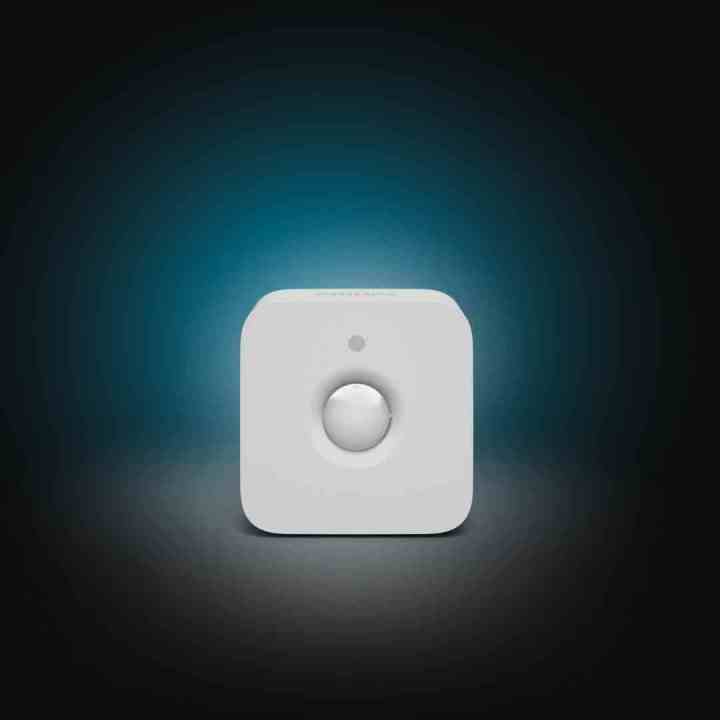
The Philips Hue Motion Sensor significantly enhances indoor lighting efficiency in various scenarios. For instance, when entering a dark hallway or bathroom, the sensor automatically activates the lights, providing safety and convenience. Here are some specific use cases:
- Living Rooms: Set the motion sensor to trigger soft ambient lighting during evenings when motion is detected.
- Hallways: Ensure pathways are illuminated when someone walks through, preventing accidents in the dark.
- Bathrooms: Automatic lighting ensures comfort during late-night visits, with lights turning off shortly after use.
Customization options for the Philips Hue Motion Sensor include setting different sensitivity levels and adjusting the duration the lights stay on after detecting motion. Optimizing settings for different environments can enhance the user experience and energy efficiency.
Comparison with Other Smart Lighting Solutions
When comparing the Philips Hue Motion Sensor with other leading smart motion sensors, several unique selling points stand out. Philips Hue’s integration capabilities with other smart home devices set it apart from competitors, as does its user-friendly app interface.
| Feature | Philips Hue Motion Sensor | Competitor A | Competitor B |
|---|---|---|---|
| Detection Range | 5 meters | 4 meters | 6 meters |
| Integration with Smart Home | Excellent | Good | Moderate |
| Price | Competitive | Lower | Higher |
The price points of the Philips Hue Motion Sensor are competitive, especially considering the advanced features it offers, making it a valuable investment in smart home technology.
Troubleshooting Common Issues
Users may encounter several common issues with the Philips Hue Motion Sensor. Here are solutions to some of these problems:
- If the sensor does not respond, check the battery level and replace if necessary.
- For connectivity issues, ensure the sensor is within range of the Philips Hue Bridge.
- Adjust the sensitivity settings in the app if the sensor is triggering too frequently or not at all.
Maintaining the motion sensor involves keeping it clean and ensuring that its lenses are unobstructed. If necessary, reset the sensor by holding the reset button for 10 seconds and follow the reconfiguration steps in the app.
User Experience and Feedback
User reviews of the Philips Hue Motion Sensor highlight several praised features, including its reliability, quick response time, and ease of integration within the Hue ecosystem. Many users appreciate the convenience of having lights turn on automatically when entering a room.
However, some recurring complaints focus on the sensor’s limited detection range for larger spaces and the occasional need for recalibration. Suggestions for improvement often include enhancing battery life and introducing more customizable settings.
Integration with Smart Home Ecosystems
The Philips Hue Motion Sensor integrates seamlessly into broader smart home ecosystems, allowing users to create sophisticated automation scenarios. It is compatible with leading voice assistants like Amazon Alexa, Google Assistant, and Apple HomeKit, enabling voice control for even more convenience.
Examples of automation scenarios include programming the motion sensor to trigger smart lights when someone arrives home or to coordinate with security cameras for enhanced surveillance.
Energy Efficiency and Cost Savings, Philips Hue Motion Sensor Indoor Smart Lighting
The use of motion sensors like the Philips Hue contributes significantly to energy savings in households by ensuring that lights are only active when needed. With smart lighting systems, users report substantial reductions in electricity costs compared to traditional lighting solutions.
Long-term cost benefits include lower energy bills and reduced maintenance costs associated with traditional bulbs. The environmental impact of adopting smart lighting technologies is also noteworthy, as it promotes sustainable practices through energy conservation and reduced carbon footprints.