Nest Google stands at the forefront of smart home technology, seamlessly blending innovative products with Google’s robust ecosystem. This evolution has transformed how we interact with our living spaces, making homes not just smarter but more intuitive than ever before. As we explore the history, mission, and product lines of Nest, it becomes clear that this brand is dedicated to redefining convenience and safety in the modern home.
From its inception, Nest Google has evolved with a clear vision of enhancing everyday life. The integration of various Nest products with Google services has created a holistic approach to home automation, reflecting a commitment to user-friendly design and cutting-edge technology. Whether you’re a tech enthusiast or a casual user, Nest Google offers a diverse product lineup catering to various needs and lifestyles.
Overview of Nest Google
Nest Google, a pioneer in smart home technology, has evolved significantly since its inception. Initially founded as Nest Labs in 2010 by former Apple engineers Tony Fadell and Matt Rogers, the company introduced its first product, the Nest Learning Thermostat, which garnered widespread acclaim for its innovative design and functionality. In 2014, Google acquired Nest Labs for $3.2 billion, integrating its technology into the broader Google ecosystem while maintaining its mission of creating smarter home solutions. The company’s vision is to enhance everyday life through intelligent devices that improve comfort, security, and energy efficiency.
Nest products seamlessly integrate with Google’s array of services, such as Google Assistant and Google Home, allowing users to control their smart devices through voice commands and centralized platforms. This integration not only simplifies user experience but also enhances the functionality of Nest products, making them essential components of modern smart homes.
Nest Product Line
The Nest product line comprises a variety of devices designed to cater to different aspects of home automation. This includes:
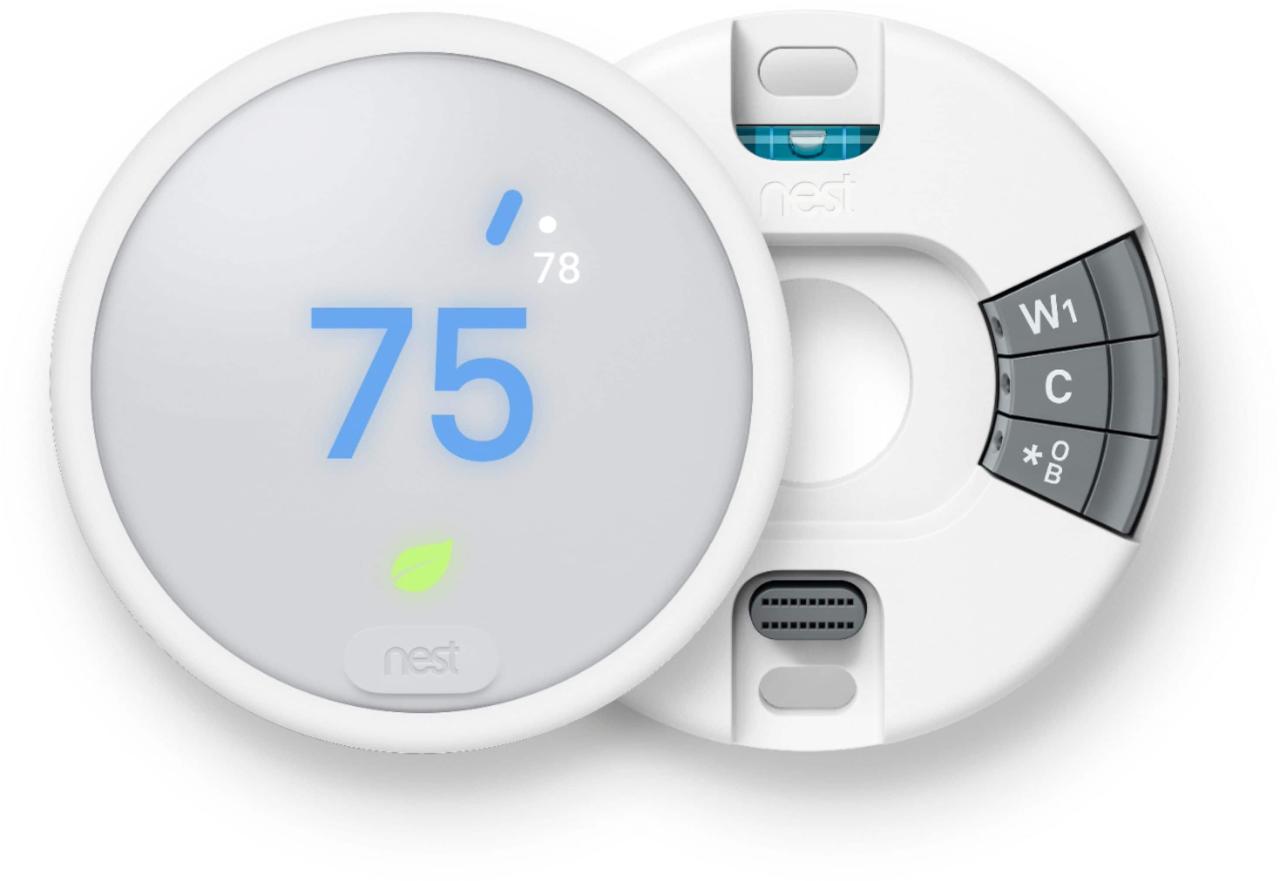
- Nest Learning Thermostat: A smart thermostat that learns the user’s schedule and preferences to optimize heating and cooling, resulting in energy savings.
- Nest Cam Indoor & Outdoor: Security cameras that provide 24/7 live video streaming and alerts for any unusual activity, ensuring safety and peace of mind.
- Nest Protect: A smoke and carbon monoxide detector that sends alerts to the user’s phone and features a voice alert system.
- Nest Hello: A smart video doorbell that allows users to see and communicate with visitors remotely via their smartphones.
- Nest Hub: A smart display that serves as a control center for all Nest devices and integrates with other smart home products.
Each product in the Nest lineup targets specific audience needs, with the Nest Learning Thermostat appealing to environmentally conscious homeowners, while the Nest Cam and Protect attract users prioritizing home security.
Smart Home Integration
Integrating Nest devices with other smart home systems is crucial for creating a cohesive and efficient living environment. Users can connect Nest products with various ecosystems, including Alexa, Apple HomeKit, and IFTTT. This connectivity allows for enhanced automation, where actions can be triggered based on user preferences or specific conditions.
The benefits of using Nest products in a smart home setup are substantial. They provide centralized control through Google Home or other platforms, enabling users to manage multiple devices from one interface. Furthermore, Nest products work in harmony with other smart devices, optimizing workflows and enhancing home security.
Nest devices are compatible with numerous platforms, making them flexible options for users looking to integrate various smart home technologies. This compatibility broadens the appeal of Nest products among consumers who may already have existing smart home systems in place.
User Experience and Feedback
User reviews and ratings for Nest products have been largely positive, with many praising their ease of use and functionality. Customers appreciate the intuitive nature of the devices and the seamless integration with Google services. However, there are common issues noted by users, such as connectivity problems and occasional software glitches. Solutions to these issues often involve troubleshooting steps, such as rebooting devices or ensuring stable Wi-Fi connections.
Overall, customer satisfaction with Nest Google remains high, with many users expressing loyalty to the brand due to its innovative products and commitment to user privacy. The combination of quality, reliability, and support contributes to a strong customer base that continues to grow.
Future of Nest Google
The future of Nest Google appears promising, with predictions indicating the launch of innovative products that further enhance smart home technology. Trends in the smart home industry suggest a growing emphasis on artificial intelligence and machine learning, which could lead to more advanced automation features in Nest devices.
Potential challenges that Nest Google may face include increased competition from other smart home brands and concerns over data privacy and security. As consumers become more aware of these issues, Nest will need to continually innovate while reinforcing its commitment to user data protection.
Nest Google and Privacy
Nest products incorporate various privacy measures to safeguard user data, including encryption and regular software updates. These security features are crucial in maintaining consumer trust, especially in an era where data breaches are prevalent.
Users can enhance their privacy while using Nest devices by adjusting settings within the Nest app, such as disabling features that share data with third-party services or turning off recording options for cameras. Transparency in data handling practices is vital for Nest Google to reassure users about their privacy concerns.
Public perception of Nest Google concerning data security is mixed; while many users appreciate the technological advancements, there is a lingering skepticism regarding how data is used and shared. Continuing to address these concerns will be essential for Nest Google as it navigates the future of smart home technology.